About Us
The First Nations Heritage Centre
The Heritage Centre migrated from a 350 square meter space on the
ground floor of the shopping centre opening onto the river to a 6oo
square meter free standing building on a very prominent site with views
of both the river and the mountain range.
This position also offered the opportunity to connect the centre to the
Eco Corridor with a north facing medicinal garden through which one
would walk to the eco corridor and a large gathering space on axis with
the Heritage Centre. In this way the Heritage Centre was fused with the
eco corridor and the indigenous landscaping to make it into a cohesive
whole. The building is set on an East-West axis, with the Liesbiek river on the East
and the Hoekwaggo Mountain (Table Mountain) on the West.
A key idea that shaped the design revolved around the idea of modesty.
This does not mean self-effacing smallness. Rather it refers to the original meaning of the
word MODESTUM which means in the right proportion. Out of this grew the idea that we needed to make a
building which was both polite and well mannered and at the same time should possess
a large presence on the site westwards to the mountain range.
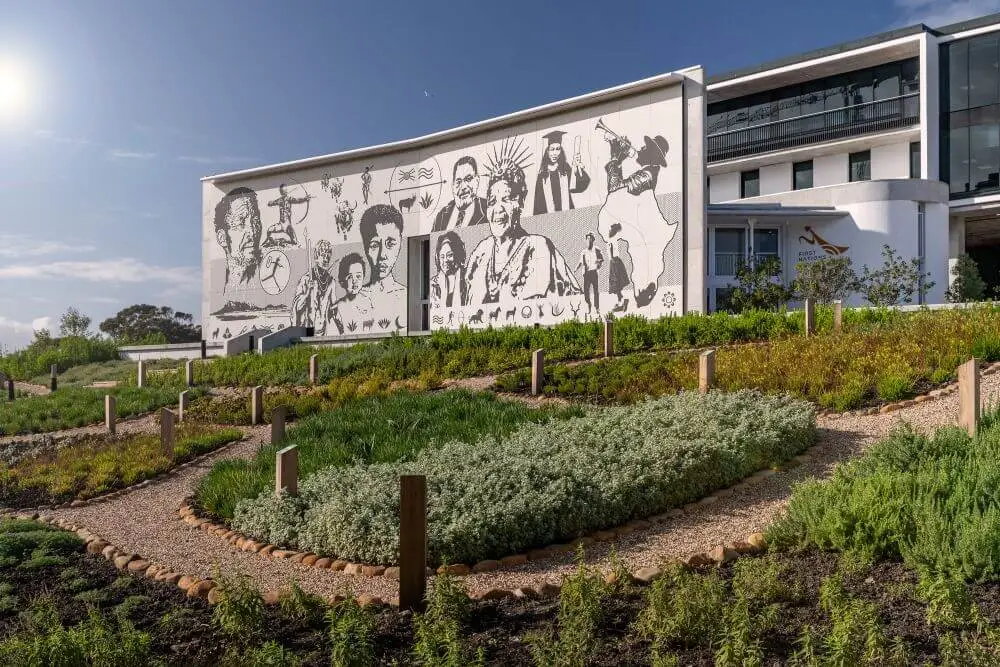
Wall Mural Interpreted
One of the most prominent features of the First Nations Heritage Centre at Riverlands
is the iconic foregrounding wall that incorporates five critical elements that underscore the
objectives of the centre.
The narrative begins with an image of an indigenous ancestor and Hoerikwaggo (Table Mountain),
depicting a time when there was balance between indigenous peo ples and the ancient territory,
where they were stewards and cus todians.
Next is the assault on indige nous custodianship with the Battle of Goringhaiqua in 1510,
where the Cape Khoi people successfully de fended themselves against the forc es of the Portuguese
militarist Fran cisco d'Almeida, and later in the First Khoi-Dutch War of 1659 to 1660, which followed
the first colo nial dispossession of land in the Cape.
The third phase is a period of brokenness and destruction caused by dispossession,
depicted by im ages of a crying child and a repre sentation of Sarah Baartman, a Khoi wom an
abducted from Cape Town and horrifically abused in Europe.
The fourth phase represents resurgence, with images of Queen Katrina Esau, preserver of the
an cient //Nuu language, Khoi poet laureate Diana Ferris, and Professor Jatti Bredekamp, patron
of the movement demanding recognition, restoration, and restitution for the Khoi and San.
The fifth phase of the mural is the vision for the future of our re stored and recognised
peoples, where a jubilant anthem is herald ed, our children rise to their full po tential, and our
indigenous culture flourishes.
This restoration of our ancient in digenous values and principles is captured in the cultural
symbols depicted across the base of this iconic mural.
The Spiritual Significance Of Our Symbols
The Moon

Renewal and affirmation
For Khoi and San the moon, as a symbol of renewal, is the affirmation of our connectedness to
the universe and is aligned to cultural practice of the !Nau ceremonies, which define an
indigenous person from birth to death. The !Nau of declaring indigenous identity is specifically
conducted with the new moon. Under the full moon there is an expression of thanksgiving to
the creator for all good things and a call for guidance in the period that lies ahead.
The River

Primary source of life
The river, representing the primary source of life, is integral to various cultural rites, specifically cleansing rituals and the affirmation ritual of the Khoi and the San. One of four symbols In
the masthead of the Western Cape First Nations Collective, the symbol also represents the
sacrifices of our ancestors in and around the Liesbeek River, who first suffered dispossession
in South Africa. It represents the coming together of different streams, bound by the
common purpose of honouring our origins and the responsibility of stewardship.
The Meeting Place

Consultation and governance
The symbol of the Meeting Place, an important element in the insignia of the Western
Cape First Nations Collective, is common among many First Nations people around the
world. The convergent lines represent the diverse paths by which we come together in a
circle of deliberation, decision-making and governance. The inner circles denote leadership
levels, while the overall circular design reflects the process through which the gathering of
councils or clans decides the matters under deliberation.
Rock Art

Messages from the ancestors
South African San and Khoi indigenous rock art, one of the oldest communication mediums in the world, represent critical markers because the scope of their messaging and
intricate technology of utilising materials from the natural environment are derived from
their indigenous knowledge systems. Defined as “messages from the ancestors” by Kalahari San traditional leader, Elder Petrus Vaalbooi, rock art represents spiritual journeys and
quests, celebrations of the human spirit, the interconnection of people and biosphere, and
indigenous ways of knowing, doing and being.
The Bow And Arrow
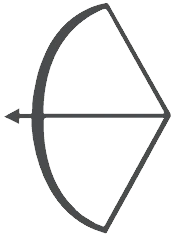
Responsibility
The bow and arrow are among the most prominent defining symbols of the Khoi and San.
Within indigenous protocols, he bow and arrowdefine responsibilities related to stewardship and custody, namely sustaining life and maintaining stability and order. During the
final !Nau ceremony the bow is broken, signifying that the fallen steward has faithfully
fulfilled his responsibility as defender and provider. The arrows are then handed to the
children, who must faithfully follow this time-honoured tradition.
Beads (Necklaces)

Indigenous Identity
Khoi and San beads, composed of seeds, abalone, ostrich eggshells and other natural
materials, define a person's status and the specific path in their indigenous journey. Usually presented during indigenous rituals, the colour and pattern of the beads define clan
association, with the white beads indicating role of the wearer as peacemaker. When an
indigenous steward dies their beads are broken and buried with the human remains and a
new set of beads is handed to a family relative.
The Khoi Pot

Cohesion and cultural sustenance
The Khoi pot, a significant cultural symbol for the Khoi and San people of South Africa, has
a rich history dating back approximately 2,000 years. Its unique conical shape served
various purposes, including cooking, transporting water and food, and was an
indispensable item for migrant herding clans. Due to its cultural importance, the Khoi pot
was chosen as the emblem for the 2001 Khoi-San Consultative Conference, representing
the unity of First Nations clans and structures.
The Protea

Adornment
The iconic Protea, one of the most internationally recognised of South African plants, is
endemic to the Cape floral kingdom. The Protea has been used by Khoi and San people in
many ceremonies as a primary adornment for indigenous events and gatherings. It also
has qualities that are incorporated into our indigenous knowledge systems, specifically its
medicinal efficacy and its use in the culinary industry.
The Aloe

Healing
The Cape or Red Aloe - Aloe ferox - is a succulent indigenous to Southern Africa. This
distinctive plant is integral to the indigenous knowledge and healing systems of the Khoi
and the San. For centuries, we have used the Aloe for its medicinal purposes, to treat skin
conditions and to alleviate internal ailments. Additionally, Aloe is prevalent in many health
supplements and cosmetics, highlighting its qualities as a super-food and its significance
in Khoi and San indigenous knowledge systems for product development.
The Red Disa
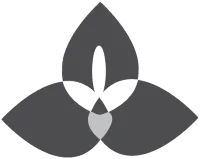
Resplendent beauty
The Red Disa flower - Disa uniflora Bergius - is the second element incorporated in the
masthead of the Gorinhaiqua Cultural Council. Its dramatic red blossoms, is an indigenous
and endemic plant, growing in the moist kloofs of Hoerikwaggo (Table Mountain) and
other mountains of the Overberg and Cedarberg regions. This beautiful member of the
orchid family is also the official floral symbol of South Africa's Western Cape province.
The Tortoise Shell

Discretion and confidentiality
The Tortoise Shell has special significance for the Khoi and San people of Southern Africa,
representing leadership and discretion within our indigenous knowledge systems. Often
gifted to new leaders, the tortoise shell embodies core values like confidentiality and
respect for internal matters. The shell serves as a reminder for leaders to exercise discretion
in all affairs, upholding the community's trust and maintaining the integrity of their leadership role.
The Praying Mantis

Spiritual guide
The Praying Mantis or IKaggen, as it is known by its indigenous name, is one of the most revered
figures within the indigenous knowledge systems of the Khoi and San peoples. IKaggen is intricately
woven into our folklore, which recognises the power of this trickster-deity to change his form, and his
potency as a spiritual guide. The appearance of IKaggen at the threshold of a home is associated with
tidings of good things to come.
The Snoek

Marine indigenous knowledge
The snoek is one of the symbols associated with South Africa's Khoi and San who have
centuries-long recorded habitation along our coastline. The art of reading the migration
patterns and of harvesting this marine food source, a staple in the diet of coastal indigenous peoples
has been handed down over generations. This indigenous knowledge
includes numerous methods for the preparation of snoek, which can be consumed fresh,
dried and salted, or smoked.
The Eland
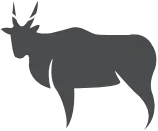
Hope and resilience
The Eland, the largest of the antelopes, holds immense spiritual and cultural significance
for Southern Africa's First Nations peoples. Frequently depicted in rock paintings, it symbolizes our
ancient heritage, representing ancestral journeys and our role as custodians of
the land. The Eland embodies hope and resilience, playing a central role in many Khoi and
San rituals, further highlighting its revered cultural status.
The Quagga
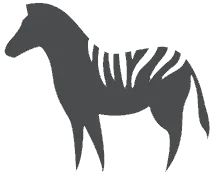
Creativity & freedom
In Khoisan and San folklore, the Quagga represents strength, creativity and freedom.
Because of its distinctive appearance and peculiar stripes, indigenous folklore associated
these specific qualities with individuality, for each quagga is thought to have its own
unique pattern of stripes. The quagga is depicted in several rock art sites and this enduring
symbol of freedom now serves as a central element in many Khoi indigenous garments
and is featured in the masthead of the Hessequa Khoikhoi Tribal House.
The Lion

Order and authority
The lion represents strength, regal bearing, order and authority, and is incorporated in the
insignia of several indigenous institutions, specifically the Griqua Royal house from the
dynasty started by Adam Kok, the founding father of the Griqua indigenous people. Land
grants issued by Adam Kok and his successors featured the symbol of the lion. The legendary Kalahari San leader Dawid Kruiper was known as the Lion of the Red Dunes and within
the resurgence, the Cochoqua Tribal Council emblem features the Cape lion.
The Rooikat
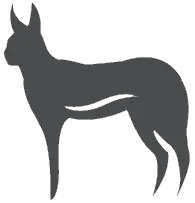
Elusive intelligence
The rooikat, a member of the Caracal branch of the cat family, covers vast territory as an
efficient hunter. Its large paws, sturdy, agile legs, distinctively red pelt, lined face and
sharply pointed ears have created folklore legend of this elusive and highly secretive
animal. It is the symbol of the Katz Korana Royal house, currently led by Queen Shimida
Katz, who succeeded her late father King Josias, whose royal traditional garments featured
the skin of a rooikat.
The Cape Wild Dog
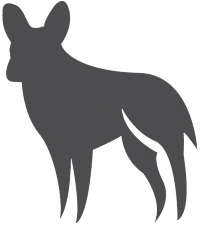
Structure, compassion, protection
The Cape Wild Dog is one of two symbols represented in the masthead of the Gorinhaiqua
Cultural Council. The Gorinhaiqua led the campaign to establish the First Nations Heritage
Centre within the Riverlands precinct. Among the critical defining elements of the Cape
Wild Dog is its highly developed social structure and its compassionate and protective
approach to the young, the weak and the vulnerable of the pack.